Printable Homework Planner Must-Haves (Elementary–MS)
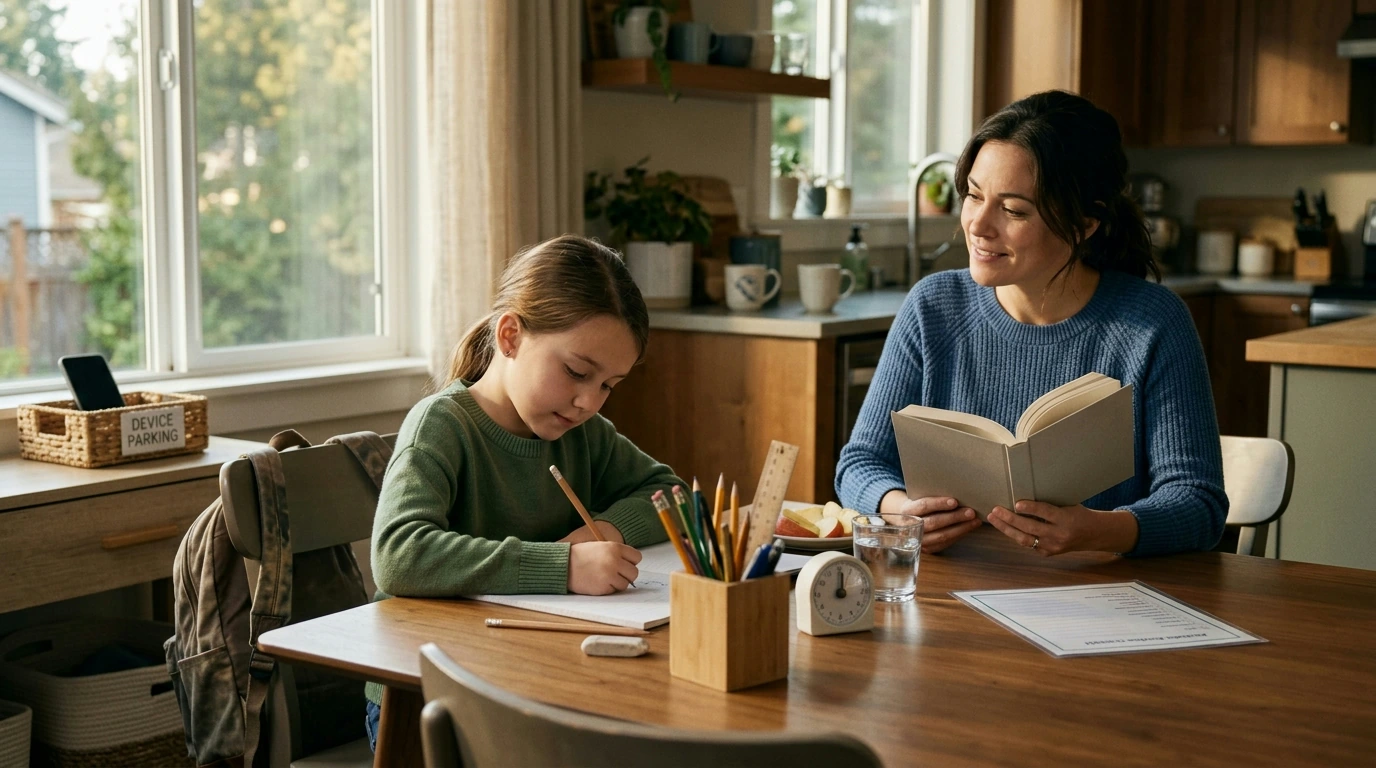
What should be included in a printable homework planner for elementary and middle school students?
A great printable homework planner for elementary and middle school students should make it easy to see what’s due, what to do first, and what to pack—without feeling overwhelming. The best planners balance structure (so nothing gets missed) with kid-friendly simplicity (so it actually gets used).
Daily assignment space that fits real school life
Include a dated section with lines for each subject and a clear “due tomorrow/this week” area. For younger students, add a checkbox next to each task (“Read 10 minutes,” “Math worksheet,” “Study spelling”). For middle schoolers juggling multiple teachers, add a small spot for “class period/teacher” to prevent mix-ups.
A priorities box to help kids start smart
Add a “Top 3” or “Do First” box for the day. This helps students tackle the hardest or most urgent assignment first and reduces last-minute stress. A quick “estimated time” column can also improve pacing and prevent the whole evening from disappearing.
Built-in reminders: materials, signatures, and deadlines
Elementary planners benefit from a “Backpack Check” list (library book, folder, instrument, lunch form) plus a parent/teacher initials line if your school uses it. Middle school planners should include a mini “Upcoming” tracker for quizzes, projects, and long-term due dates.
Study and routine trackers that reinforce good habits
Include a simple habit section: reading minutes, study session completed, and bedtime or screen-time limits if helpful. Keeping it small (just a few checkboxes) makes it sustainable. For more ideas on building routines, visit this homework help and study habits guide.
Space for notes, questions, and communication
A notes area lets kids write what they didn’t understand (“Ask about fractions step 3”) or messages from school. This reduces forgotten questions and supports better parent-teacher communication.
FAQ
How can I help my child actually use a homework planner consistently?
Start with a 2-minute daily check-in at the same time each day, and have them fill it out before leaving school or right after arriving home. Keep the planner visible (on the desk or kitchen counter) and praise consistency more than perfection.








Leave a comment