Study Habits at Home: Routines Kids Start Themselves
How do you create good study habits at home without constant reminders?
Good study habits stick when the routine is built into the environment—so it feels automatic instead of parent-driven. Start by choosing one consistent “study anchor” that happens every school day (for example: snack, then 20–30 minutes of homework). Keeping the same order matters more than keeping the same exact time.
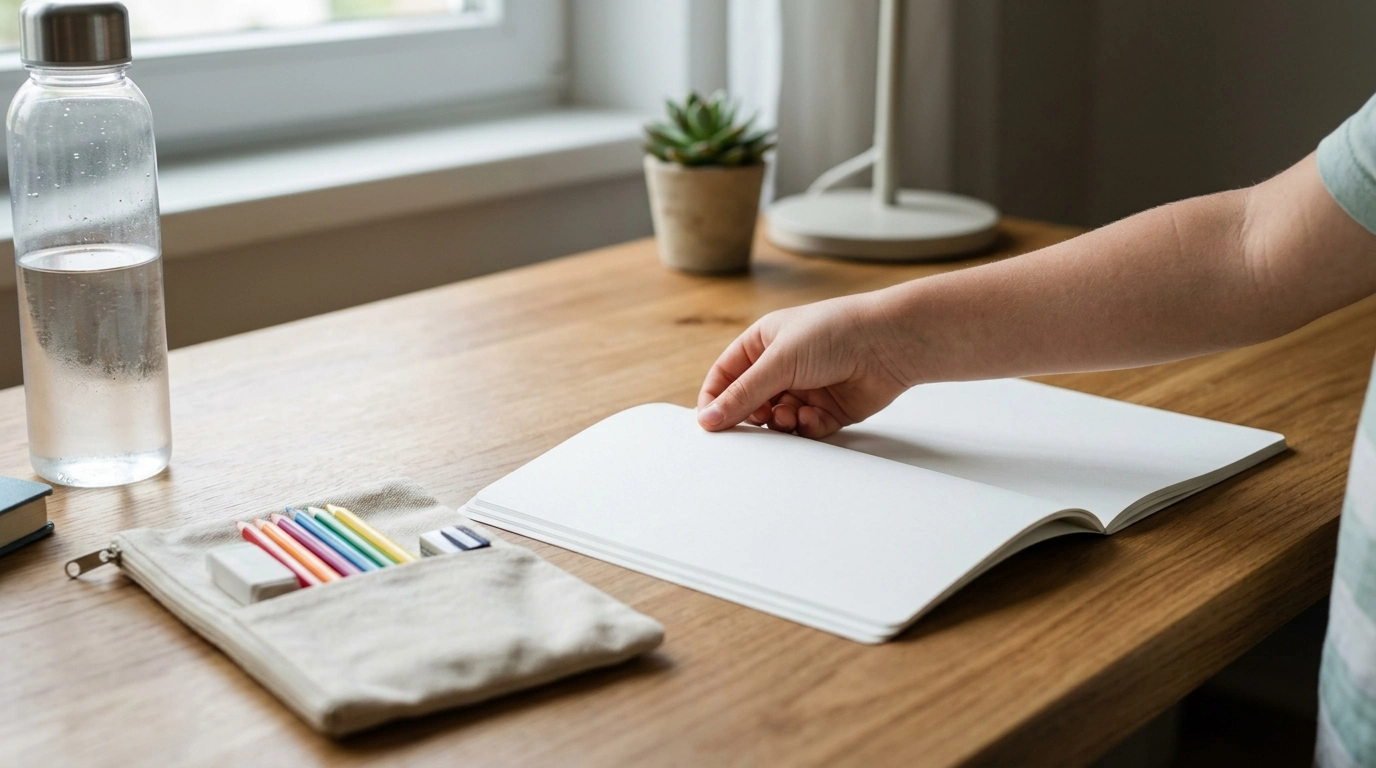
Next, set up a dedicated study zone with only the essentials: pencils, paper, charger, and any needed textbooks. Store everything else out of reach during work time. When the space is ready, starting is easier—and fewer interruptions mean fewer reminders.
Practical steps that reduce reminders
Use a visible checklist. Post a short, repeatable list: “1) Open planner 2) Do easiest task first 3) Check off finished work 4) Pack backpack.” Kids follow what they can see.
Replace “nagging” with a cue. One neutral signal (a kitchen timer, a specific playlist, or a calendar alert) becomes the prompt. The goal is for the cue—not a parent—to start the routine.
Make work bite-sized. Use a simple cycle: 15–20 minutes of focus, then a 3–5 minute break. Short sprints reduce procrastination and build momentum.
Set a finish line. Decide what “done” means (all assignments completed, backpack packed, tomorrow’s materials ready). Clear endings prevent the drawn-out, half-finished feeling that invites constant check-ins.
Hold a 2-minute daily reset. At the end of study time, tidy the space and glance at tomorrow’s to-dos. This tiny habit prevents chaos from building up—and makes the next day easier to start.
For a more complete, parent-friendly toolkit (including routines and homework support ideas), see the full guide here: https://stellartrendnook.shop/guide-homework-help-made-easy-parent-toolkit-study-habits/.
FAQ
How can I help my child stay focused during homework time?
Reduce distractions (phones, extra tabs, background TV) and use short timed focus sessions with brief breaks. A consistent start cue and a clear “done” checklist also help attention last longer.








Leave a comment