10 Must-See U.S. National Parks: Fast Facts + Planning
Top 10 Must-See U.S. National Parks + Fast Facts: A Digital Travel Guide for Nature Lovers, Hikers & Adventure Planners
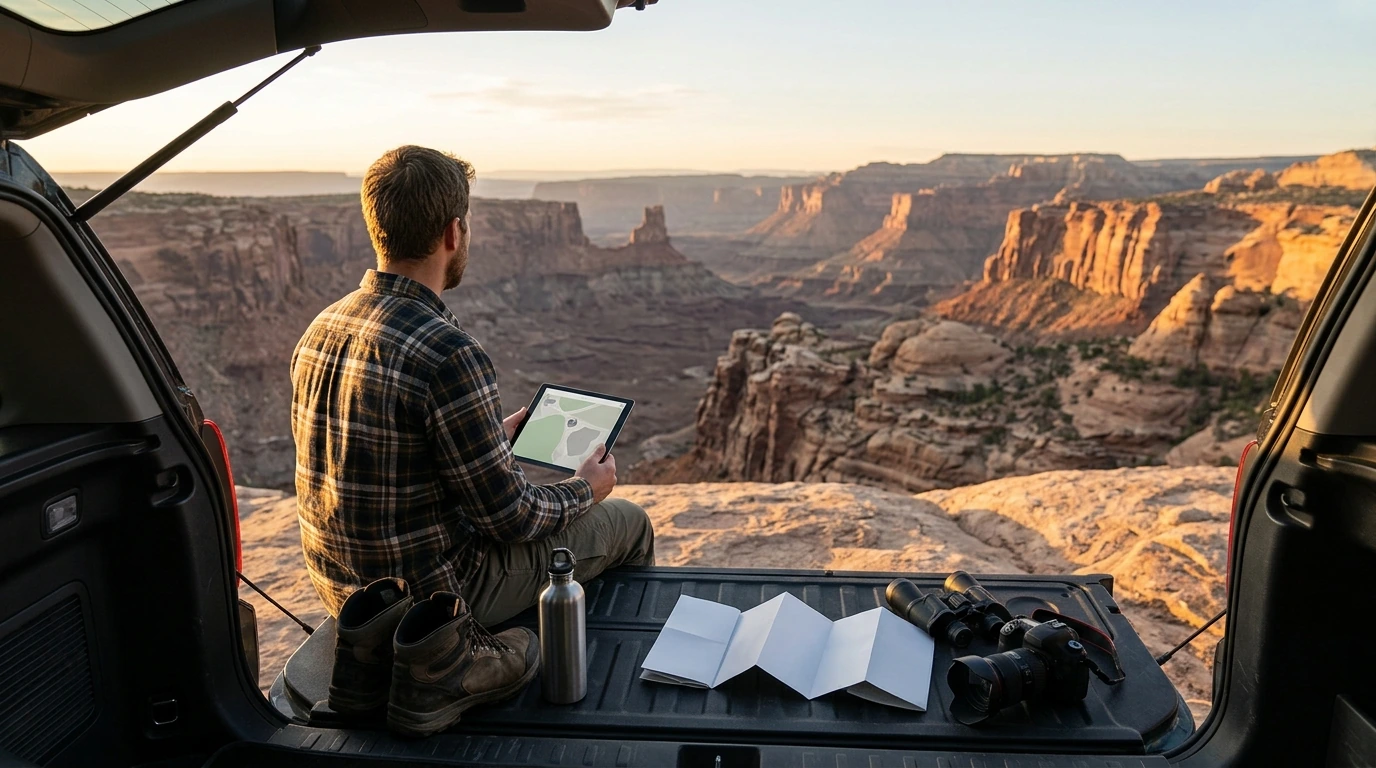
National parks reward good planning: the right season, realistic mileage, permit awareness, and a few essential safety habits can turn a “someday” idea into a smooth, memorable trip. This guide rounds up ten iconic U.S. parks with quick-hit fast facts and practical planning notes for hikers, road-trippers, photographers, and families.
What Makes a “Must-See” National Park
The best “starter list” parks tend to share a few traits that make trip planning easier and the payoff bigger:
- Signature landscapes you can’t easily replicate elsewhere—glaciers, canyons, geysers, desert spires, and coastal cliffs.
- Hike variety, from short scenic loops to classic day hikes and true backcountry routes.
- Wildlife and natural phenomena like migration windows, dark skies, and seasonal waterfalls.
- Trip logistics that you can realistically manage: road access, shuttle systems, and common permit constraints.
- Best-fit travel styles so your group can match expectations (families, first-timers, shoulder-season travelers, adventure hikers).
The Top 10 Parks (Fast Facts + Trip Planning Notes)
Yosemite National Park (California)
Granite icons, big waterfalls, and a valley that feels like a natural amphitheater. Spring typically brings stronger waterfalls, while fall often offers lighter crowds. Parking and shuttles can be the difference between a relaxing day and a stressful one—check seasonal rules before you arrive.
Grand Canyon National Park (Arizona)
Yellowstone National Park (Wyoming/Montana/Idaho)
Zion National Park (Utah)
Grand Teton National Park (Wyoming)
Glacier National Park (Montana)
Arches National Park (Utah)
Rocky Mountain National Park (Colorado)
Acadia National Park (Maine)
Great Smoky Mountains National Park (Tennessee/North Carolina)
Quick Comparison: Best Time, Top Experiences, and Planning Watch-Outs
| Park | Best time to go (typical) | Don’t-miss highlights | Planning watch-outs |
|---|---|---|---|
| Yosemite | Spring for waterfalls; fall for lighter crowds | Valley viewpoints, granite domes, waterfall trails | Parking/shuttles; seasonal road access |
| Grand Canyon | Spring/fall for milder temps | South Rim viewpoints, inner-canyon hikes (day or multi-day) | Heat risk; steep elevation change; permits for backcountry |
| Yellowstone | Late spring to early fall | Old Faithful area, Grand Prismatic region, wildlife viewing | Thermal safety; long drive times; road closures |
| Zion | Spring/fall for hiking comfort | Canyon overlooks, narrows-style hikes, scenic shuttle corridor | Shuttle logistics; flash-flood conditions |
| Grand Teton | Summer for alpine access; fall for color | Lakeside trails, mountain photography, wildlife | Afternoon storms; trailhead parking fills early |
| Glacier | Mid-summer to early fall | High-elevation trails, scenic drives, alpine lakes | Timed entry in some areas; bear safety; seasonal road openings |
| Arches | Spring/fall; winter for quiet visits | Delicate Arch area, scenic viewpoints, rock formations | Desert heat; limited shade; trail timing for photos |
| Rocky Mountain | Summer for high trails; fall for aspens | High-altitude hikes, scenic drives, wildlife | Altitude effects; sudden weather shifts; entry systems may apply |
| Acadia | Late summer to fall | Coastal paths, Cadillac Mountain sunrise, carriage roads | Reservations in peak areas; tide timing; narrow roads |
| Great Smoky Mountains | Spring wildflowers; fall foliage | Waterfalls, ridgeline drives, forest hikes | Fog/visibility; bear awareness; busy weekends |
Build a Simple 3-Part Itinerary (Day Hikes, Drives, and Buffer Time)
Permits, Reservations, and Entrance Basics
- Check each park’s official site for seasonal reservation systems (timed entry, shuttles, or trail permits). A good starting point is the National Park Service “Find a Park” directory.
- For overnight backcountry trips, confirm permit windows, quota rules, food storage requirements, and bear canister guidance where required.
- Consider an America the Beautiful pass if visiting multiple fee areas in a year; verify coverage and any add-on fees for tours or special access.
- Download maps and key info before arrival—reception can be limited in mountain and canyon terrain.
Safety and Comfort for Park Days (Especially for Hikers)
- Heat and hydration: bring more water than expected in desert and canyon parks; start early and watch for heat illness signs.
- Altitude: pace uphill efforts, watch for headache/nausea, and prioritize acclimation days at higher elevations.
- Wildlife distance: view animals from a safe distance and never feed. Carry bear spray where recommended and know how to use it.
- Footing and traction: slickrock, wet stone, and steep switchbacks call for stable shoes and conservative decisions.
- Leave No Trace: stay on durable surfaces, pack out trash, respect wildlife, and protect fragile environments (review the 7 Principles of Leave No Trace).
Digital Guide Format: How to Use It for Faster Planning
Get the Digital Travel Guide eBook
If you like planning with quick, scan-friendly notes, the Top 10 Must-See U.S. National Parks + Fast Facts | Digital Travel Guide eBook for Nature Lovers, Hikers & Adventure Planners is designed for on-the-go decisions—what to prioritize first, when to arrive, and which logistics to watch.
For travelers bringing pets on the road portions of a trip (even if pets can’t join many trails), a compact emergency reference like the Must-Know Pet First-Aid Cheat Sheet | Emergency Printable Guide for Pet Owners | Vet Tips can help you stay ready for common mishaps between stops.
FAQ
Which national parks are best for first-time visitors?
Yosemite, Grand Canyon, Yellowstone, and Zion are strong first picks because the highlights are iconic, the viewpoints are easy to reach, and there’s a wide range of activities from short walks to big day hikes.
What’s the best time of year to visit U.S. national parks to avoid crowds?
Spring and fall (especially midweek) usually bring fewer people and more comfortable hiking temperatures. In mountain parks, road openings can lag into early summer, while desert parks are often best outside peak heat.
Do national parks require reservations or permits?
It varies by park and season: some use timed-entry systems, shuttle reservations, or trail permits, and most backcountry overnights require permits. Confirm details on the official park website and check current alerts before departure.







Leave a comment