Pack Light, Travel Smart, and Enjoy the Journey
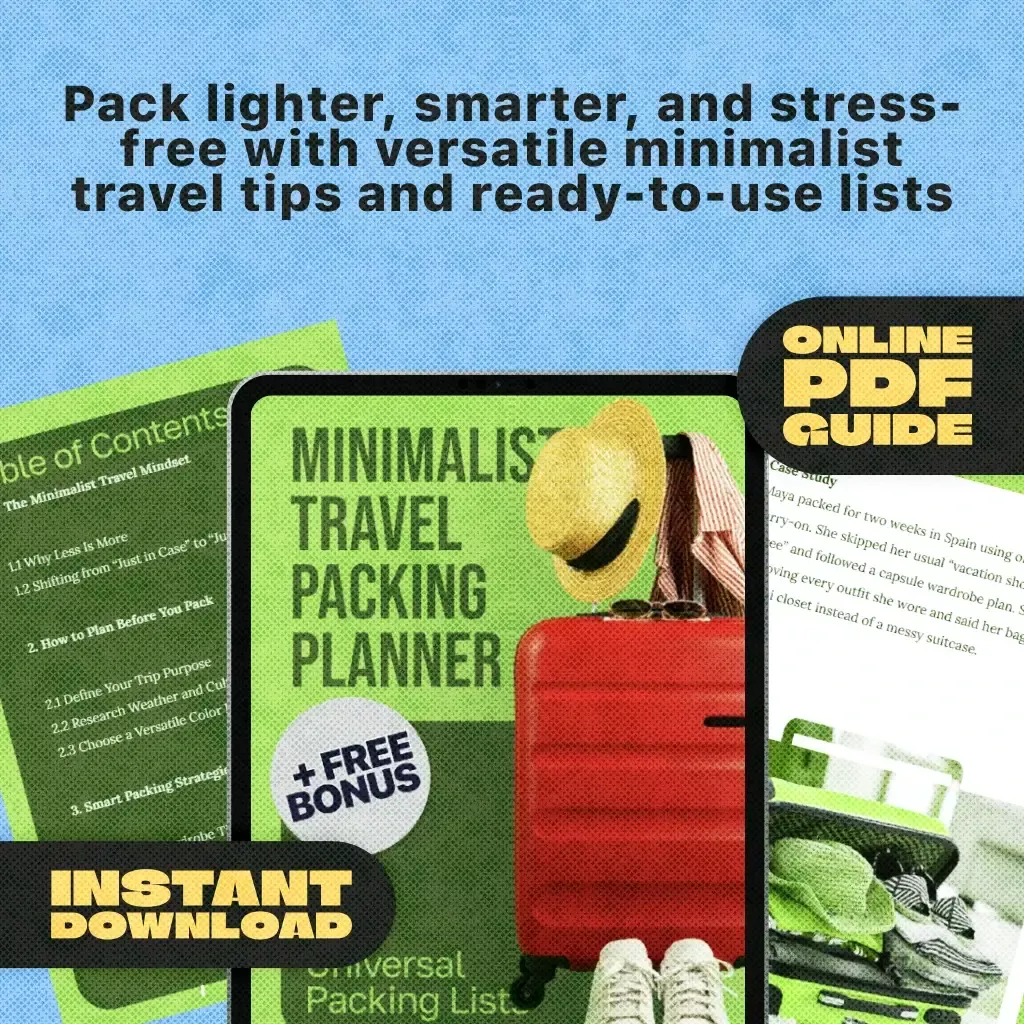
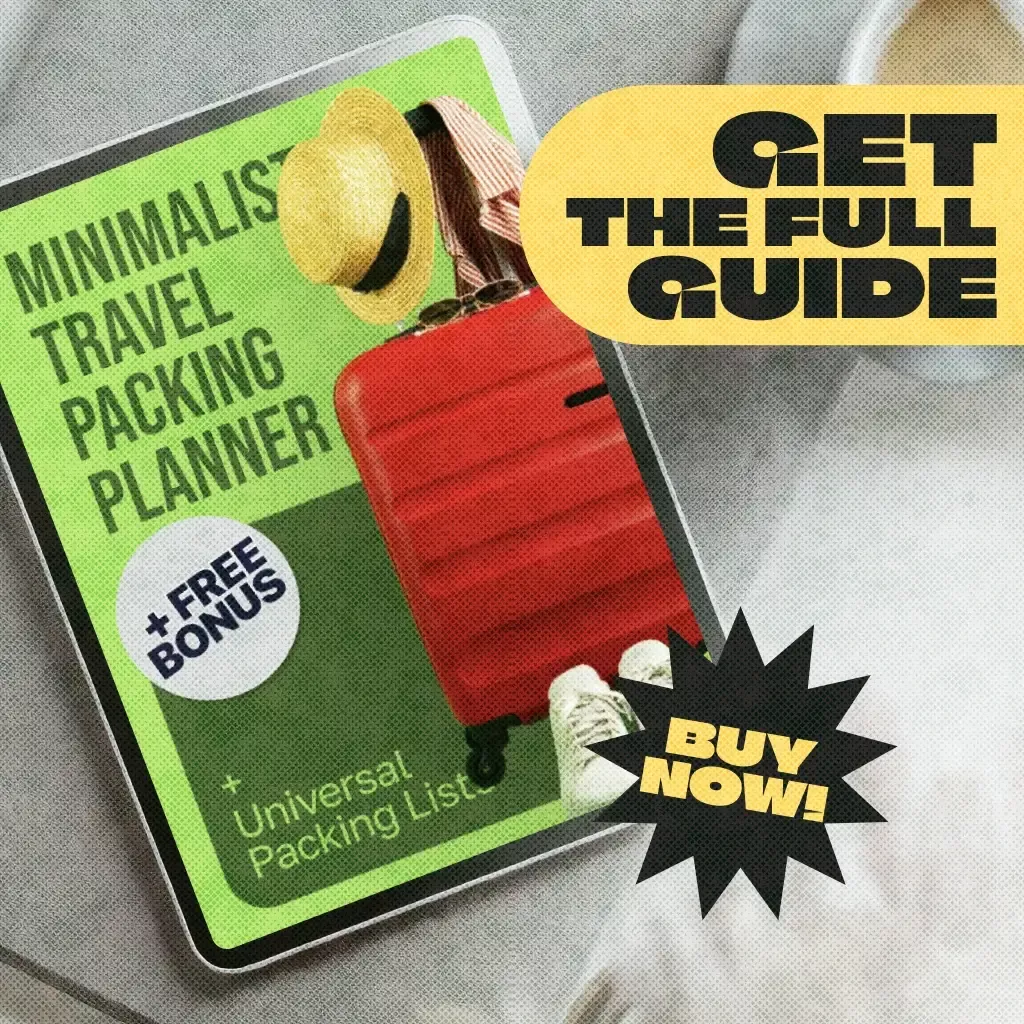
Overstuffed suitcases, last-minute packing stress, and “just in case” items you never use—sound familiar? The Minimalist Travel Packing Planner is here to change that. This easy-to-use digital guide helps you pack only what you truly need, so you can travel lighter, faster, and with more freedom. Whether you’re heading out for a weekend city break or a month-long adventure, this planner gives you the strategies, checklists, and mindset shifts you need to make packing simple and stress-free.
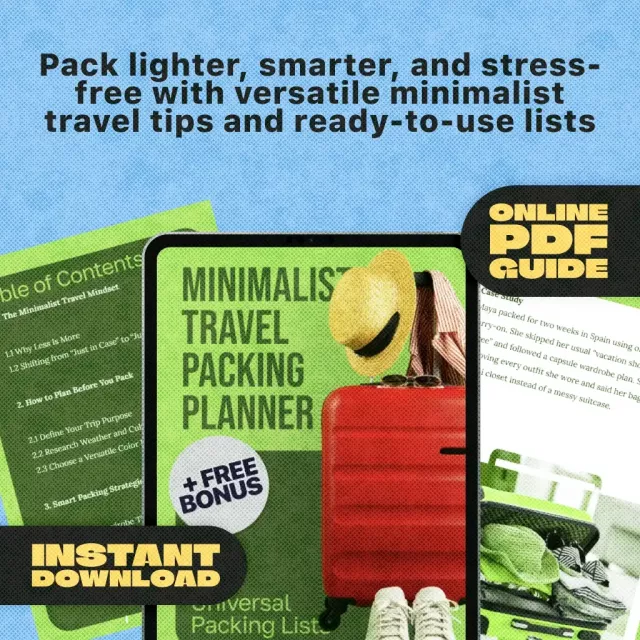
What’s Inside the Minimalist Travel Packing Planner?
- The Minimalist Travel Mindset—why less is more and how to shift from “just in case” to “just enough”
- Pre-packing planning steps—defining your trip purpose, researching weather, and choosing a versatile color palette
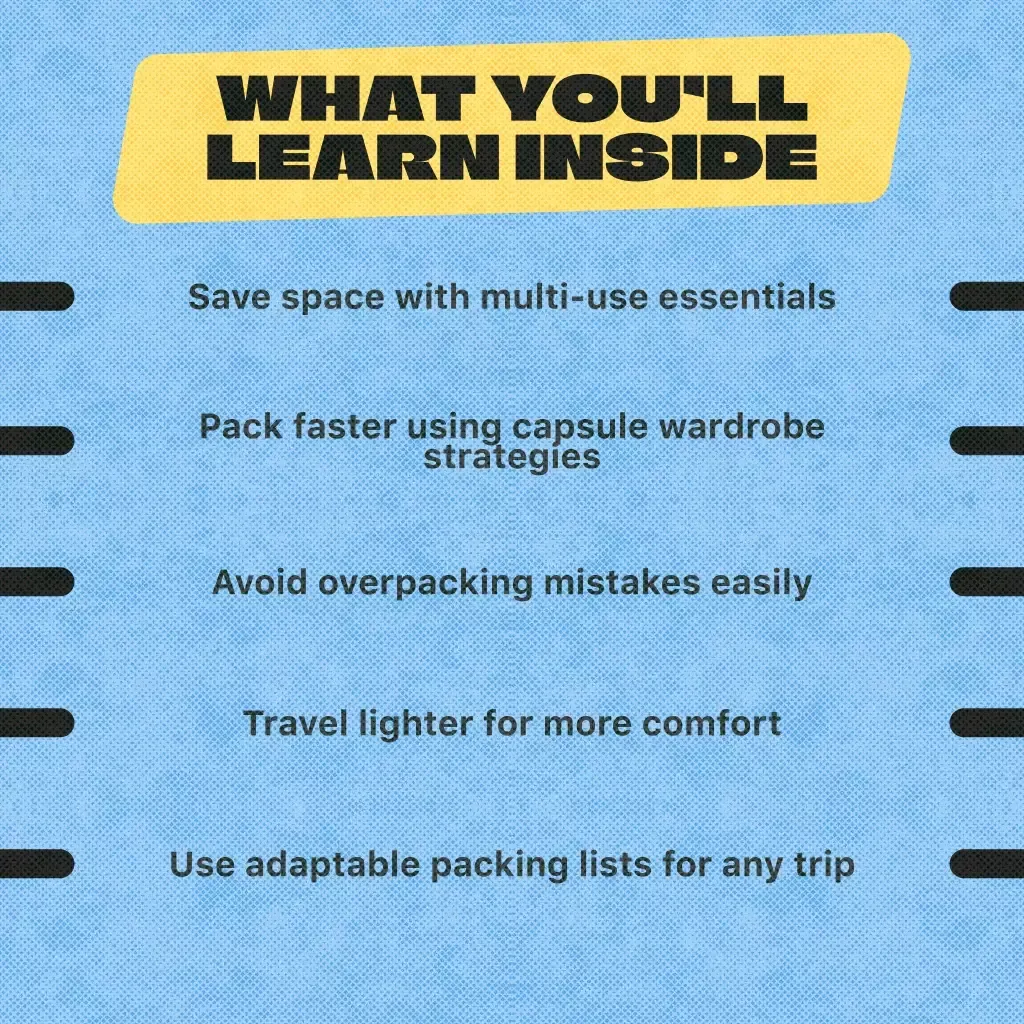
- Smart packing strategies—capsule wardrobe tips, multi-use essentials, and must-have packing tools
- Common packing mistakes to avoid so you can save space and time
- Universal packing lists—ready-to-use plans for weekend trips, one-week travel, and month-long adventures
- Personalized packing formula to adapt the lists to your style and trip needs
Benefits You’ll Gain
- Pack faster with less decision fatigue
- Travel lighter and move around more easily
- Save space for souvenirs or essentials
- Reduce stress before and during your trip
- Enjoy the freedom of minimalist, clutter-free travel
Who Is This For?
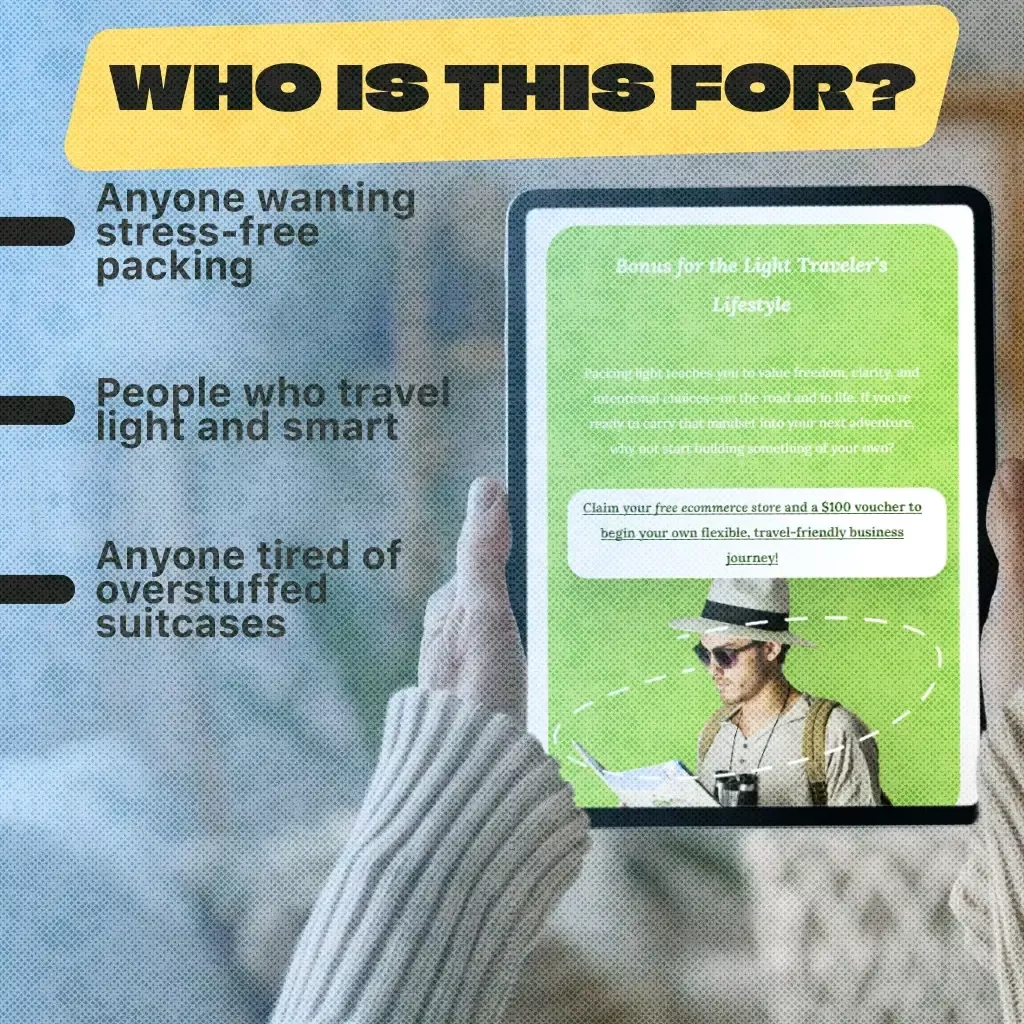
Perfect for frequent flyers, digital nomads, backpackers, business travelers, and anyone tired of overpacking. If you want to streamline your suitcase without sacrificing style or comfort, this guide is for you.
What Makes It Different?
Unlike generic packing lists, the Minimalist Travel Packing Planner blends mindset shifts with practical tools. You’ll learn not just what to bring, but how to think about packing so it becomes second nature—trip after trip.
Start Packing Smarter Today
Download the Minimalist Travel Packing Planner now and discover how easy it is to travel light while having everything you need.
Order cancellation
All orders can be cancelled until they are shipped. If your order has been paid and you need to make a change or cancel an order, you must contact us within 12 hours. Once the packaging and shipping process has started, it can no longer be cancelled.
Refunds
Your satisfaction is our #1 priority. Therefore, you can request a refund or reshipment for ordered products if:
- If you did not receive the product within the guaranteed time( 45 days not including 2-5 day processing) you can request a refund or a reshipment.
- If you received the wrong item you can request a refund or a reshipment.
- If you do not want the product you’ve received you may request a refund but you must return the item at your expense and the item must be unused.
We do not issue the refund if:
- Your order did not arrive due to factors within your control (i.e. providing the wrong shipping address)
- Your order did not arrive due to exceptional circumstances outside the control of stellartrendnook.shop (i.e. not cleared by customs, delayed by a natural disaster).
- Other exceptional circumstances outside the control of https://stellartrendnook.shop
*You can submit refund requests within 15 days after the guaranteed period for delivery (45 days) has expired. You can do it by sending a message on Contact Us page
If you are approved for a refund, then your refund will be processed, and a credit will automatically be applied to your credit card or original method of payment, within 14 days.
Exchanges
If for any reason you would like to exchange your product, perhaps for a different size in clothing. You must contact us first and we will guide you through the steps.
Please do not send your purchase back to us unless we authorise you to do so.
Instant download
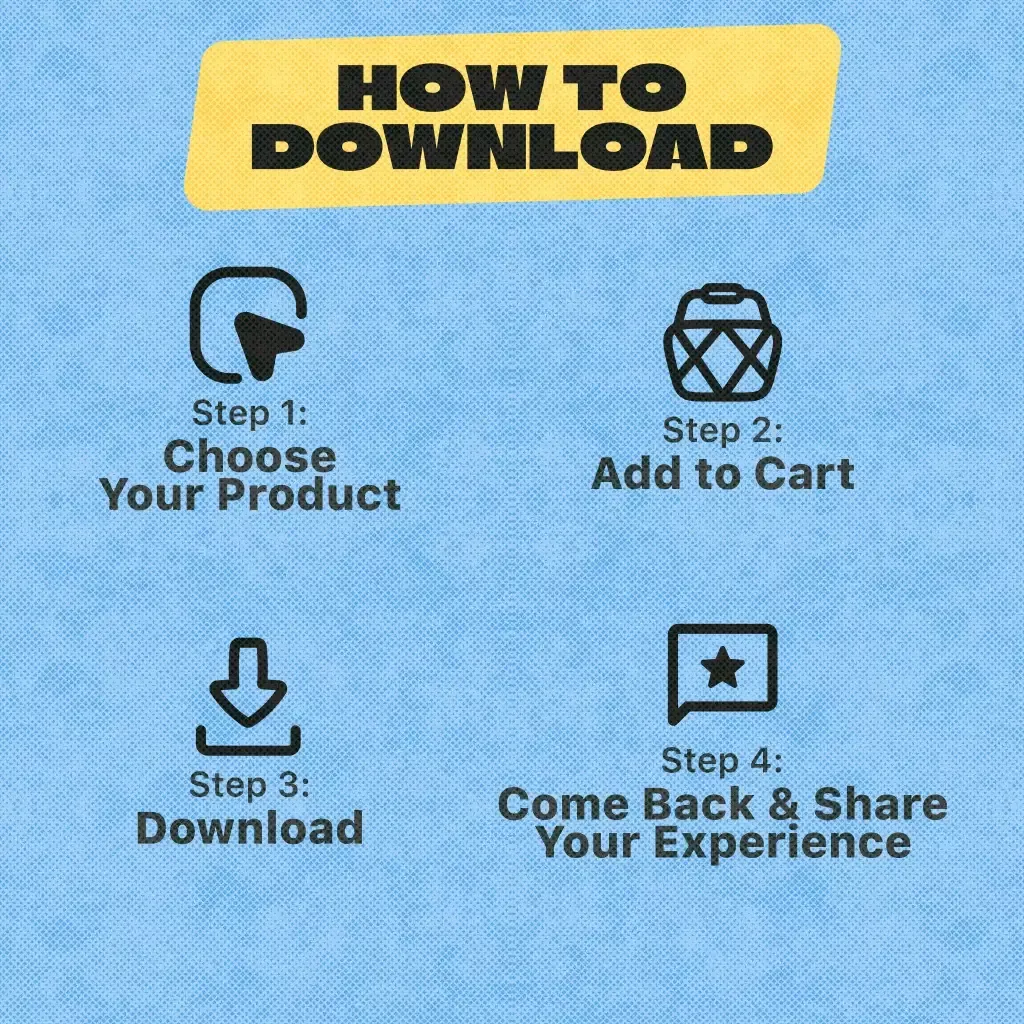
Your purchase will be available to download once payment is confirmed.
Instant download items don’t accept returns, exchanges or cancellations. Please contact us if you have any problems








I’ve always been the kind of traveler who packs for every possible scenario—just in case. That mindset has often left me dragging around a heavy suitcase filled with things I rarely end up using. But after going through this digital guide, my entire approach to travel packing has genuinely shifted. It helped me rethink what I actually need when I’m on the move, and the result has been lighter, more organized trips ✈️🧳 What stood out to me is how the guide goes beyond a simple packing checklist. It encourages a minimalist mindset, not in a trendy or extreme way, but in a thoughtful and practical one. It walks you through how to plan with intention—starting with your purpose for the trip and researching your destination’s climate and context. That foundational work made me feel far more prepared than just throwing items into a bag last-minute. Another part I found especially useful was the breakdown of a capsule wardrobe. I’d heard of the concept before, but this guide explained how to apply it specifically for travel. It offers smart suggestions on choosing versatile pieces and items that can be worn in multiple combinations—without sacrificing style or comfort. What I appreciated most, though, was the customizable packing formula. It isn’t a one-size-fits-all solution. Instead, it gives you a framework you can adapt based on your personal style, the type of trip, and how long you'll be away. That flexibility made the advice feel realistic and sustainable—something I could actually use trip after trip. Overall, this guide didn’t just teach me how to pack less—it helped me feel more confident and intentional about traveling. If you’re someone who tends to overpack or just wants a better system in place, I definitely recommend giving it a read. It’s practical, well-organized, and genuinely helpful 😊
Love this digital guide! It really helped me pack light for my last trip. The pre-packing planning steps were super useful, especially the part about choosing a versatile color palette. No more overpacking for me! 😎
This planner was a lifesaver on my month-long adventure. I used to stress out about packing, but now it's simple and easy. Plus, I have more room in my suitcase for souvenirs!
Very helpful
The minimalist travel mindset shift that this guide promotes is fantastic - it's all about 'just enough' rather than 'just in case'. Now I travel lighter and with much less stress.
Packing used to feel like a stressful guessing game, but this guide completely changed that for me. Avoiding common mistakes has never been simpler—I feel like I finally have a system that works every time. It saves so much space and time, and best of all, no more frantic last-minute packing sessions. I also love how it helps me stay focused on only the essentials, which makes traveling lighter and far less stressful. Honestly, it’s become one of those tools I didn’t know I needed until I used it, and now I can’t imagine preparing for a trip without it.
👍👍👍
The universal packing lists are amazing!! They're ready-to-use plans that work perfectly whether you're going away for just one week or an entire month.
If you want to enjoy clutter-free travel like I do now then get yourself this guide ASAP 👍 You'll learn how to think smarter about your luggage without sacrificing style or comfort!
ok
My business trips have never been so stress-free! This guide has made packing faster, with less decision fatigue - I know exactly what to pack now. Plus, saving space for essentials or souvenirs is always a win.
For the first time in years, packing actually feels manageable instead of overwhelming. I’ve always struggled with bringing way too much, but using this digital guide has completely changed that. It’s like unlocking a new approach to travel that feels lighter, smarter, and far less stressful. I really appreciate the way it encourages a minimalist mindset without making it complicated or restrictive. Instead, it turns the process into something simple and surprisingly freeing. Now I head into trips with less clutter in my bag and more peace of mind, which is a huge win.
❤️
Packing used to be such an ordeal but not anymore thanks to this planner! The personalized formula lets me adapt the list according to my style and needs - no more generic lists that don't quite fit!
Let’s talk about this travel planner. It’s not just a notebook for those who want to pack light—it’s a genuinely useful tool if you're aiming for a smoother, more organized trip.✨ It’s helped me bring more structure to the way I prepare for travel, and honestly, it’s taken a lot of the guesswork out of the packing process. One of the first things that really stood out to me was the smart packing strategies included in the planner. They’re practical, not overwhelming, and make a noticeable difference. Before using this, I didn’t realize just how inefficient my packing habits were. I’d often waste space or forget things I actually needed. Now, I find myself packing with more intention and less clutter. What’s especially helpful is how the planner addresses common travel prep mistakes—like overpacking or scrambling at the last minute to make things fit. It gives you a clear system to follow, so you’re not left feeling rushed or disorganized right before a flight. It really helped reduce that last-minute stress I used to feel before leaving for a trip. The sections are thoughtfully laid out, guiding you from planning to packing with space for lists, outfit planning, and even a few reflection prompts for your trip. It’s more than just logistics—it also helps you slow down and think about what you actually want your travel experience to be like. If you're someone who tends to overpack or feel overwhelmed before a trip, this planner is worth considering. It’s helped me stay on track, stay calm, and enjoy the process more. It may seem like a small change, but the impact on how I travel has been surprisingly significant. Highly recommended for anyone looking to simplify and enjoy their trips with less stress and more confidence.
The capsule wardrobe tips in this planner are amazing, they really help you think about multi-use essentials and save so much space while keeping your outfits versatile
highly recommended 👌
Just finished packing for my weekend getaway and it was a breeze thanks to this guide! I've packed smart, light, and just enough. Feeling stress-free already! 😎
🔥🔥🔥🔥
I used to dread packing for business trips but not anymore. This planner made me rethink my approach and now I pack faster, lighter and smarter. Best part? More room for essentials!
Traveling has never felt this streamlined before. I absolutely love how versatile this planner is—it adapts so easily whether I’m heading out for a short getaway or something longer. I used it on a one-week trip recently and, for the first time, had everything I needed without lugging around extra weight. The universal packing lists are incredibly practical and make the whole process stress-free. What surprised me most is how confident I felt knowing I hadn’t forgotten a thing, yet still kept my bag light. It’s such a relief to enjoy the trip itself instead of worrying about what I left behind.
Clear guidance
Packing used to be so stressful before each of my nomadic adventures but not anymore...this planner makes it simple with pre-packing steps and personalized formulas 👍
The capsule wardrobe tips were enlightening - never knew I could mix-and-match so effectively until now! Plus points for making minimalist travel feel stylish too.
👍
Just downloaded this packing guide and wow, it's a breath of fresh air! No more last-minute panic or lugging around heavy suitcases. I'm all about that minimalist travel life now. 😎
This digital planner has completely changed the way I pack for my trips. It's not just about what to bring, but how to think about packing itself - so smart!
I used this guide for a month-long adventure and it was perfect! Packed light, moved easily and even had space for souvenirs. Highly recommend if you want stress-free travels.
Easy to follow 👍
It feels like I’ve finally cracked the code to stress-free packing. After years of overstuffing my suitcase and regretting it later, this digital guide has completely changed the way I prepare for trips. The personalized formula made it easy to tailor the universal lists to my own style and needs, which felt surprisingly effortless. I love that it balances structure with flexibility—giving me a clear plan while still letting me pack in a way that feels authentic to me. What once felt like a chore is now quick, organized, and even a little enjoyable. I can’t believe how much lighter and more confident I travel now.
Loved the section on common mistakes to avoid when packing - saved me time AND space in my suitcase. Plus, less clutter means less stress during trips.
❤️❤️❤️❤️
As a frequent flyer who often struggles with overstuffed luggage, I found the capsule wardrobe tips incredibly useful. This is hands-down one of the best resources out there for smarter travel!
This digital guide is a breath of fresh air for an over-packer like me. It helped me shift my mindset from 'just in case' to 'just enough'. Now I pack faster, with less decision fatigue. Love it! 😍
super informative
The pre-packing planning steps are genius - defining your trip purpose, researching weather, choosing a versatile color palette...it's all there! Reduced stress before and during the trip significantly.
As a frequent flyer, I found the smart packing strategies invaluable. Capsule wardrobe tips, multi-use essentials - these tools have made my travel lighter and easier than ever before.
🔥
The best part about this guide is that it doesn’t just hand you a checklist—it actually shifts the way you think about packing altogether. Instead of treating every trip like starting from scratch, it helps build habits that make packing feel second nature, no matter where I’m headed. The universal lists are a huge bonus, giving me a reliable foundation that I can easily adjust for trips of different lengths and styles. I’ve noticed I spend far less time debating what to bring and more time actually enjoying the anticipation of traveling. It’s practical, clear, and takes away so much of the guesswork that used to stress me out before leaving.
Just used this digital guide for my weekend getaway, and wow! I packed faster, traveled lighter and had more space for souvenirs. No stress before or during the trip. It's a lifesaver!
Great tips 🔥
This planner is perfect for frequent flyers like me. I learned not just what to bring, but how to think about packing smartly. My suitcase was streamlined without sacrificing style or comfort 👌
The personalized packing formula in this guide is amazing! Adapted it easily to my style and trip needs—packed only what I truly needed 😊
👍👍👍
This has revolutionized my travel experience completely! The universal packing lists are a godsend—they cover everything from weekend trips to month-long adventures
The common mistakes section helped me save so much space in my luggage—I never knew how many things I was doing wrong until now!
well written
Packing used to feel like a constant balancing act between forgetting something important and stuffing my bag with things I’d never touch. This guide changed that completely. I love how it breaks the process down into simple, thoughtful steps that make everything easier and far less stressful. The pre-packing planning is honestly a game changer—it gives me confidence that I’ve got all the essentials without falling into the “just in case” trap. What I appreciate most is how it takes away the mental load of second-guessing, so I can actually look forward to my trip instead of stressing over my suitcase. It feels organized, light, and way more intentional. 😎
❤️
I've always been an overpacker but this guide really helps you shift your mindset to pack just enough. Also, the universal packing lists are super helpful for different trip lengths.
The "Minimalist Travel Packing Planner" is genuinely one of the most useful tools I’ve come across for travel prep. We all know how packing—whether for a quick business trip or a long-awaited vacation—can sometimes bring more stress than excitement. This planner helps take that stress off your plate so you can focus on enjoying the journey ahead. I travel frequently for both work and leisure, often across different climates and time zones. Over the years, I’ve dealt with my fair share of packing challenges—either taking too much or realizing I forgot something essential. Since using this planner, my approach has completely changed. It’s now my go-to resource whether I’m heading out for a quick city weekend or embarking on a multi-week trip across continents. What I really appreciate is how practical and well-structured this planner is. It doesn’t just give you a basic list—it guides you through the full process of packing with intention. From considering your trip purpose and destination, to thinking through what’s truly necessary, it helps cut through the noise. I’ve noticed I now pack more efficiently, and I’m not carrying things I won’t end up using. Another feature I’ve found especially helpful is its flexibility. It works just as well for business travel—where I need to think about meetings, dress codes, and tech—as it does for more relaxed or spontaneous trips. For those last-minute getaways, the planner is a real lifesaver. It keeps you grounded and focused even when you don’t have time to plan everything perfectly. Whether you're a frequent flyer or someone who just wants to feel more organized before your next holiday, this planner is well worth having on hand. It’s not flashy or overcomplicated—it just works. If your goal is to travel light, stay organized, and reduce pre-trip stress, this is a solid companion to have by your side.
Packing used to cause me so much stress but not anymore thanks to this digital guide! It’s perfect for my frequent business travels - it’s all about minimalist travel now.
The personalized packing formula is genius! It allows me to adapt the lists according to my style and needs of each trip 👌 No more lugging around heavy suitcases full of stuff I don't need.
Packed with value
If you're tired of overstuffed suitcases (like me), get yourself this digital guide ASAP. Its advice on avoiding common mistakes has saved me from many last-minute packing stresses.
What really surprised me about this guide is how thoughtful it is compared to the usual packing checklists floating around. It’s not just another generic list—it actually helps you reframe how you think about what you truly need for a trip. Instead of mindlessly tossing things into a bag, it encourages a more intentional approach, which makes a huge difference. At the same time, the ready-to-use plans take away so much of the stress and guesswork, so you’re never starting from scratch. I love how it balances teaching better habits with giving you practical tools you can lean on right away. It’s the kind of resource that keeps paying off every time you travel.
🔥🔥🔥
I've always been an 'everything but the kitchen sink' type of packer - until now. The minimalist mindset this planner promotes is truly liberating. It's not just about what you bring, it's how you think about your needs.
This digital guide has been a lifesaver for my business trips. It helps me pack light and smart while keeping everything organized. No more frantic last-minute packing or lugging around heavy suitcases!
life changing!!!
As a frequent flyer, I appreciate the universal packing lists provided in this planner - they're adaptable to any trip length or style preference. Now, every travel experience feels smooth and clutter-free.
Not bad
This digital guide has been a lifesaver! 😍 No more overstuffing my suitcase with just in case items. I pack faster, travel lighter, and it's all thanks to the minimalist mindset this planner promotes.
One of the biggest frustrations I used to have with packing was how different every trip felt—short getaways versus long adventures always left me second-guessing what to bring. That’s why I appreciate this guide so much. I love how easy it is to adapt the packing lists to fit whatever kind of travel I’m planning. Whether it’s a quick weekend break or a month-long journey, there’s already a clear, ready-to-use plan that simplifies everything. It saves so much time, keeps me from overthinking, and makes the whole process feel smooth instead of stressful. 👌 Honestly, it’s like having a personal packing assistant I can rely on again and again.
👍
I used to dread packing but not anymore! The smart strategies have made all the difference - especially the capsule wardrobe tips and multi-use essentials. Packing is now simple and stress-free!
No more decision fatigue when packing 🙅♀️ This guide has taught me how to pack just enough without sacrificing style or comfort. It’s perfect for anyone tired of overpacking like I was.
Great tool for frequent flyers like myself! It doesn’t just tell you what to bring but also teaches you how to think about packing differently which makes traveling so much easier.
Must read 🔥
Traveling light while having everything you need seemed impossible until I started using this planner. Reduced stress before and during trips is definitely one of its biggest perks!
Packing used to be the part of traveling I dreaded most, but this guide completely flipped that experience for me. I love how straightforward it makes the process—it’s helped me pack faster, lighter, and with way less stress. No more last-minute panic about forgetting something important, and no more stuffing my bag with “just in case” items that never get used. Instead, I end up with exactly what I need and nothing extra, which makes traveling so much more enjoyable. The best part is how freeing it feels to move through airports and new destinations without the weight of unnecessary baggage. 👌
❤️❤️❤️
The minimalist travel mindset shift has been amazing. Less really is more when it comes to packing. This guide has made traveling so much easier and enjoyable!
I'm a frequent flyer and this planner is perfect for me! It's taught me smart packing strategies that save space in my suitcase...and leaves room for souvenirs 🎁
Extremely helpful!
This isn't just another generic list—it teaches you how to think about your needs while traveling light. The personalized formula let me adapt it perfectly for every trip 😊
No more decision fatigue from trying to decide what clothes should make the cut—this planner makes choosing easy with tips on creating a versatile color palette and capsule wardrobe.
Family trips usually come with a bit of chaos, but this time was completely different thanks to this guide. Downloading it before our vacation turned out to be one of the best decisions we made. It reduced stress levels immensely by helping us organize all the essentials ahead of time, which meant no last-minute scrambling or second-guessing. The whole family appreciated how smooth the process felt, and it made preparing for the trip so much easier. Best of all, traveling clutter-free gave us more freedom to focus on the fun parts instead of juggling overstuffed bags. It’s the kind of tool that makes the journey feel lighter in every sense.
🔥
I've been using this planner for my weekend city breaks—it's fantastic! It helps me to think differently about packing. Now, it's all about 'just enough', not 'just in case'. Stress-free trips here I come 😎
As a frequent flyer, the minimalist mindset this guide promotes has changed everything. Packing faster with less decision fatigue? Yes please! And the personalized packing formula ensures I'm always prepared.
very informative
Saying goodbye to overstuffed suitcases thanks to this amazing tool. It taught me how to choose versatile color palettes and multi-use essentials—packing has never been easier!
👍👍👍
I never realized how much stress and wasted space came from my old packing habits until I tried this guide. Avoiding common mistakes while saving both time and room in my bag has been such a game changer. The tips are practical, easy to follow, and they make the whole process feel effortless instead of overwhelming. I especially love how clear the guidance is—it’s not complicated, yet it instantly makes a difference in how I prepare for a trip. Now I head out feeling organized, confident, and much lighter, which makes traveling that much more enjoyable.
If you're tired of overpacking like me, then try out this digital planner—you'll enjoy clutter-free travels without sacrificing style or comfort 🙌
Easy to follow
This guide is a lifesaver for frequent flyers like me. The pre-packing planning steps are super helpful, and I really appreciate the tips on choosing a versatile color palette.
Totally recommend this digital guide for anyone tired of lugging around overstuffed suitcases. You'll learn to pack smartly, save space, and even have room left for souvenirs!
love it ❤️
I was skeptical at first but wow...this thing actually works! Packing used to be such a chore but now it’s quick and hassle-free thanks to these strategies.
What I love most about this planner? The minimalist travel mindset shift it promotes—less truly is more when you're on the road.
Packed with tips 👍
Traveling light has always appealed to me, but actually pulling it off used to feel impossible—until I found this. It’s truly a must-have tool for anyone who values minimalist travel. Not only does it simplify packing so everything fits neatly without extra bulk, but it also cuts down on the stress that usually builds up before a trip. I’ve even noticed how much calmer I feel during the journey itself, since I’m not weighed down by things I don’t need. The balance it strikes between practicality and peace of mind makes traveling so much smoother and more enjoyable. 👍👍
This digital guide has made packing so much easier. I now pack faster with less decision fatigue and travel lighter, making my trips more enjoyable.
❤️
Packing used to stress me out but not anymore thanks to this planner. It's all about mindset shifts and practical tools - exactly what I needed!
I love the minimalist travel mindset of this planner. Now I only pack just enough instead of just in case. So freeing!
Very effective at helping me streamline my travel bag. The universal packing lists were super handy. I just wish there were more niche packing examples, like for business or hiking trips. Still, a solid product that I’ll keep using 👍
The pre-packing planning steps were super helpful for my last city break. Defined trip purpose, checked weather, chose color palette - done!
Clear and concise 🙌
I never thought a simple shift in how I pack could change the way I travel so much. This planner has completely transformed the experience for me. I used to dread the packing stage, always overthinking what to bring and stressing about what I might forget. Now it feels effortless and even kind of fun. The minimalist mindset it encourages is surprisingly powerful—it strips away the clutter and makes you focus on what really matters. The result is lighter bags, smoother trips, and a sense of freedom I didn’t realize I was missing. Traveling light isn’t just convenient, it makes the whole journey more enjoyable from start to finish.
As a digital nomad, this guide is invaluable. It helps me pack smarter with less decision fatigue and move around more easily. Plus, the personalized packing formula is spot on for adapting to different trip needs.
I'm amazed at how much time I save using this guide! No more last-minute panic or overstuffed suitcases—just smart strategies that make sense. And having space for souvenirs? Priceless!
🔥🔥🔥🔥
Seriously impressive stuff here folks: capsule wardrobe tips, multi-use essentials...it all adds up to easier travels and less clutter in your suitcase. This isn't just a list—it teaches you how to think differently about packing.
Perfect tool for frequent flyers like me who want style without overpacking hassle. The checklists are universal yet adaptable enough for anyone’s needs - weekend city breaks or month-long adventures!
great resource
I never realized how freeing simplicity could feel until I started using this. Who knew that paring down what you pack could actually bring so much joy? With the help of this planner, I’ve discovered the true art—and surprising benefits—of minimalist travel. Instead of hauling around heavy bags and stressing over what I might have left behind, I now move through trips with ease and confidence. Packing is quicker, traveling feels lighter, and I have more energy to actually enjoy the journey. Honestly, I don’t miss the days of overstuffed luggage one bit, and I can’t see myself going back.
Love this digital guide! It's helped me pack light and smart for my trips. No more last-minute stress or unnecessary items, just what I need. The mindset shift from just in case to just enough is a revelation! 😊
This planner has been so helpful for my business travels. The pre-packing planning steps are great - researching weather, defining trip purpose, choosing color palette...it's made packing faster and less stressful.
👍
Really helpful planner! It made packing for my week-long trip so much easier and lighter. I do wish there were more visual examples or images to help illustrate the capsule wardrobe ideas. Still, I’m super happy with the guide overall—definitely recommend 🤩
The universal packing lists are amazing! Whether it's a weekend break or month-long adventure, they cover everything you need without overpacking. And the personalized formula lets you adapt them according to your style and needs.
Worth reading 💯
No more overstuffed suitcases with things I never use during the journey thanks to this planner. It teaches you how less truly can be more when travelling, reducing stress before and during your trip.
As someone who spends a lot of time in airports, I’m always looking for ways to make travel smoother—and this guide has been a game changer. Frequent flyers like me will immediately see the value in its smart packing strategies. The focus on multi-use essentials has been a real lifesaver, helping me keep luggage within weight limits without sacrificing comfort or practicality. What I really appreciate is how it encourages smarter choices rather than just cutting things out, so I still feel prepared for anything while traveling lighter. The difference it makes in reducing stress and streamlining the whole journey is huge, and it’s quickly become a tool I rely on for every trip.
❤️❤️❤️❤️
Love this planner! It has completely transformed my packing routine. No more overstuffed suitcases and last-minute stress. I pack faster, travel lighter and have space for souvenirs 🎁
This guide is a lifesaver for frequent flyers like me. The pre-packing planning steps are so helpful - researching weather, choosing color palettes... it's all in there!
As a digital nomad, I found the minimalist mindset shift incredibly useful. Less really is more when you're on the move constantly.
Ok
I used to be guilty of 'just in case' packing but not anymore! This planner teaches you how to pack just enough without sacrificing style or comfort 👌
I’ve tried plenty of packing lists in the past, but none of them really stuck—until this one. What makes it stand out is that it’s not just another generic checklist. It combines practical tools with simple mindset shifts that make packing feel almost effortless, like second nature. Instead of stressing over what to bring or falling into the trap of overpacking, I now have a clear system that works trip after trip. The result is clutter-free travel that feels lighter, calmer, and far more enjoyable. It’s amazing how much freedom comes from carrying less and still knowing you have everything you truly need.
🔥
The personalized formula allows me to adapt the lists according to my style and needs – absolutely brilliant! Makes each trip feel unique while keeping things simple 😊
Informative
Love love LOVE the minimalist travel mindset it promotes. Less really is more when it comes to packing, and this guide gives you all the tips on how to achieve that.
The pre-packing planning steps are super helpful - knowing what to research about weather and choosing a versatile color palette made packing less stressful.
👍👍👍
I'm a frequent flyer, always on the go for business trips. This guide has streamlined my suitcase without sacrificing comfort or style 👌
Planning for a long trip can feel overwhelming, but this guide made it surprisingly simple. I used it for my month-long adventure in Europe, and honestly, it was a total lifesaver. Instead of overpacking and dragging around heavy luggage, I was able to pack smart, keep everything organized, and still have plenty of room for souvenirs along the way. Moving from city to city felt effortless, and I never once worried that I’d left something important behind. It struck the perfect balance between traveling light and being fully prepared, which made the entire experience so much more enjoyable. Amazing!
Helpful
The pre-packing steps were so helpful - researching weather, choosing colors...I felt prepared and stress-free before even leaving the house.
Super practical and easy to follow. The packing tips and universal lists saved me a ton of time. I’d love to see an app version someday for even easier access. Even so, it’s a great tool that helped me pack smarter and travel lighter 👏
I'm a frequent flyer but always overpack. This planner helped me streamline my suitcase without compromising on style or comfort.
Love the mindset shift from 'just in case' to 'just enough'. Makes packing simpler and travel much more enjoyable!
❤️
The universal packing lists are great - used them for a weekend city break AND a one-week trip already!
I never realized how much space and time I was wasting with my old packing habits until I tried this. Avoiding the usual mistakes—like overstuffing my bag with things I never actually use—has been such a relief. On top of that, the strategies included, like creating a capsule wardrobe, have been incredibly practical and easy to apply. I love how these tips make packing feel less like a chore and more like a streamlined routine that actually works. Traveling lighter has given me so much more freedom and energy to enjoy the trip itself, instead of stressing about what’s in my suitcase.
Inspiring 👍
This guide has been a lifesaver for my business travels. The pre-packing steps are thorough and realistic, making packing less stressful.
not bad
As a frequent flyer, I appreciate the universal packing lists provided. They cater to different trip durations - from weekend getaways to month-long adventures!
I've always struggled with overpacking until I found this guide. The tips on capsule wardrobes and multi-use essentials have saved me space AND time.
Never thought I could avoid common packing mistakes until now. This digital guide not only tells you what to bring but also how to think about packing intelligently.